Richard Epstein
Los Alamos National Laboratory (retired)
First demonstration of laser cooling in a solid; rare-earth spectroscopy; cryogenic optical refrigerators.
Opening remarksA two-day workshop on optical refrigeration, radiation-balanced lasers, and high-power laser source development.
A laser run backwards is a refrigerator. Everything interesting happens in between.
Registration is open — attendance is free. Register here. Questions: carnot.workshop@gmail.com.
The premise
A laser pump is a single narrowband mode; the fluorescence it drives is broadband and leaves in every direction. That difference in entropy between the two light fields is what allows a solid to be cooled with light, and it gives a laser crystal three operating points. When lasing, the quantum defect heats it. Pumped below the mean fluorescence energy, anti-Stokes emission carries heat away — optical refrigeration. In between, the two cancel: a radiation‑balanced laser, whose gain medium carries no net heat load.
Heat limits the average power, beam quality and frequency stability of solid-state lasers. This workshop is about the regime where source design and thermal management stop being separate problems.
Carnot continues the Photonic Heat Engines community, which met for eight editions within a larger photonics meeting through 2024. This is its first independent meeting.
Everyone named here has accepted. Further invitations are out; the list will grow as they are answered. Session groupings are provisional.
Los Alamos National Laboratory (retired)
First demonstration of laser cooling in a solid; rare-earth spectroscopy; cryogenic optical refrigerators.
Opening remarks
Triton Photonics
Rare-earth spectroscopy; ultrapure fluoride crystals; solid-state optical refrigeration.
Rare earths
Leibniz Institute for Crystal Growth (IKZ), Berlin
Fluoride crystal growth; Yb-doped cooling materials; radiation-balanced laser design.
Rare earths
University of Washington
Laser refrigeration of nanomaterials; Yb-doped nanocrystals; nanoscale thermometry.
Rare earths
University of Notre Dame
Semiconductor nanostructures; single-particle spectroscopy; laser cooling of semiconductors.
Semiconductors
Texas A&M University
Nanophotonics and plasmonics; hot-carrier photophysics; luminescence thermodynamics.
Semiconductors
University of Kansas
Disordered and Anderson-localizing optical fibers; fiber lasers; nonlinear optics.
Radiation-balanced lasers
University of Illinois Urbana-Champaign
Optical fiber materials and glass science; Brillouin scattering; fiber laser design.
Radiation-balanced lasers
Stanford University
Rare-earth-doped fiber lasers, amplifiers and sensors; radiation-balanced silica fiber lasers.
Radiation-balanced lasers
Max Planck Institute for the Science of Light, Erlangen
Ultrafast and field-resolved optics; sun-pumped radiation-balanced lasers.
Incoherent pumping
Saint Mary’s College
Thermodynamics of photoluminescent cooling; cooling with incoherent and broadband light.
Incoherent pumping
University of New Mexico
Ultrafast and quantum optics; laser cooling of solids; vacuum-field fluctuations.
Opening remarks · session to be assigned
Air Force Office of Scientific Research
Program Officer, High-Energy Radiation-Matter Systems (HERMES).
Panel discussionMaxwell Labs
Invited talk from Maxwell Labs; title to be announced.
High-power sourcesSupport
Organizations interested in supporting the workshop are welcome to write to carnot.workshop@gmail.com.
Workshop sponsor

With support from


Draft as of 22 September 2026. The workshop runs from 08:00 on Saturday to 15:00 on Sunday — the program closes at 14:00, and the optional laboratory tours run until 15:00, so a flight from 17:00 onwards is safe. Session themes run along the thermal axis: rare-earth cooling, semiconductor cooling, radiation-balanced lasers, then high-power sources and applications. Talks will be assigned to slots once the program is settled.
Students and postdocs
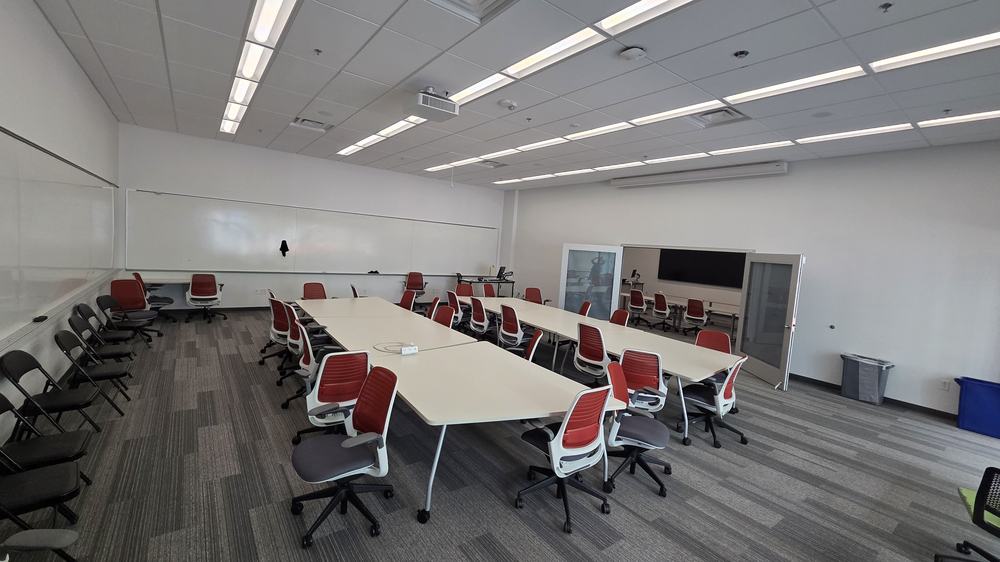
Around twelve posters are expected, drawn from the speakers’ groups, from UNM’s Center for High Technology Materials, and from the national laboratories. The session has its own seventy-five-minute block in PAIS 1010 on Day One, with a light reception, introduced by flash talks in which every presenter gets two minutes and one slide.
Poster prizes, sponsored by SELA Photonics, are awarded at the workshop dinner, and the winners are invited to give short talks in Sunday’s contributed session.
Registration
Attendance is free. Registering tells us you are coming and lets us give the caterers a number.
Three minutes. Name, affiliation, which days you are coming, dietary requirements, and whether you are bringing a poster. No abstract needed.
Open the registration formOpens in a Google Form. No account required — you will get a copy of your answers by email, and you can edit them later if your plans change.
Venue and travel
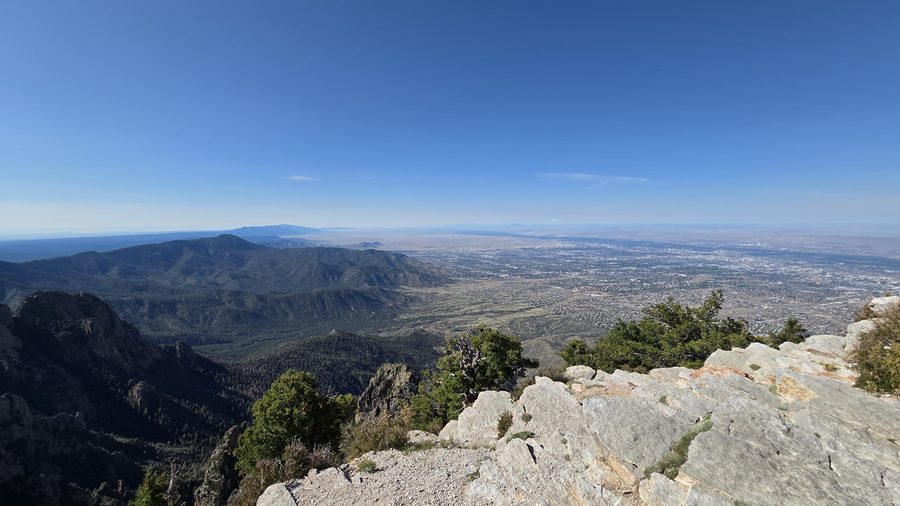
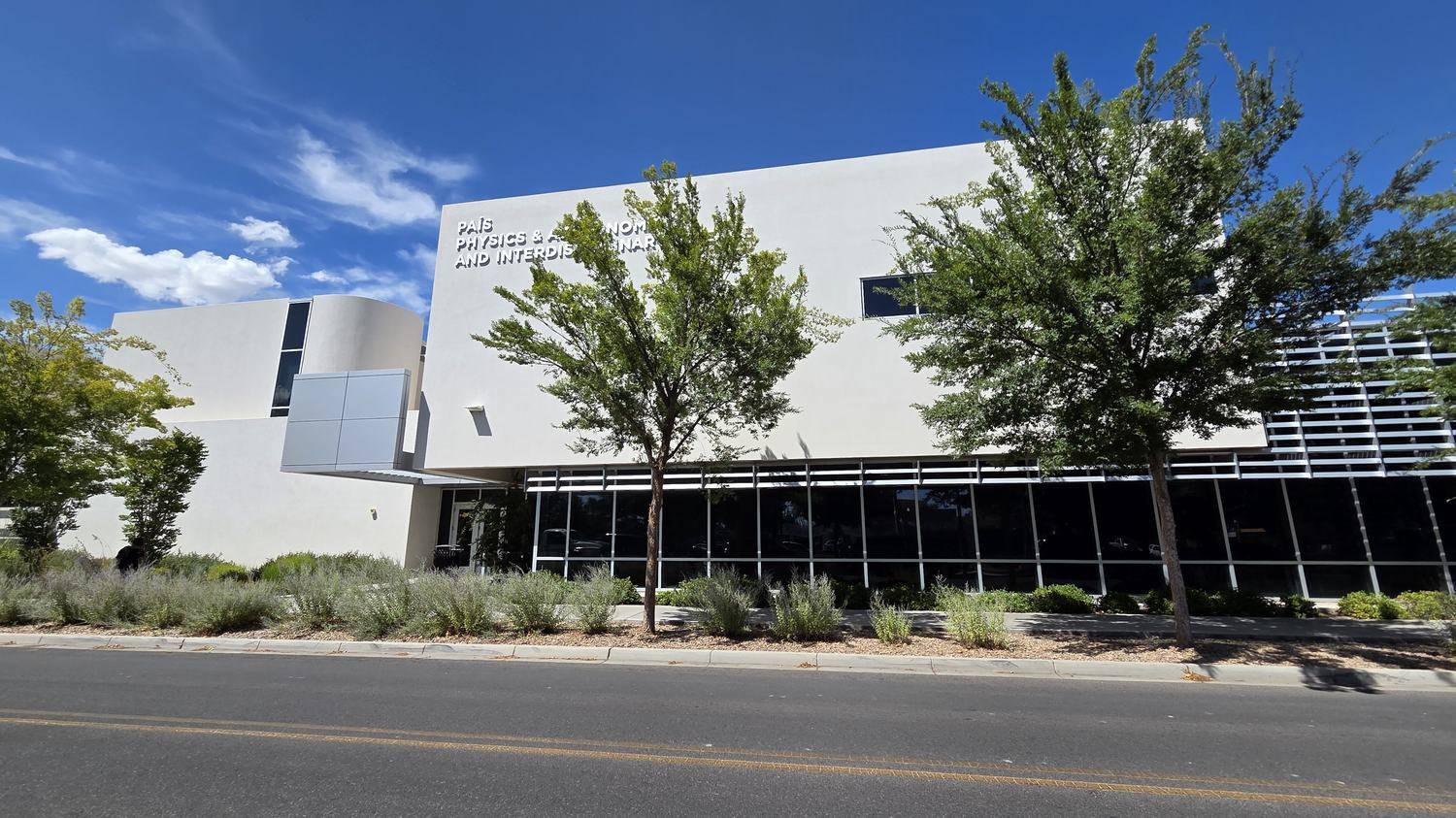
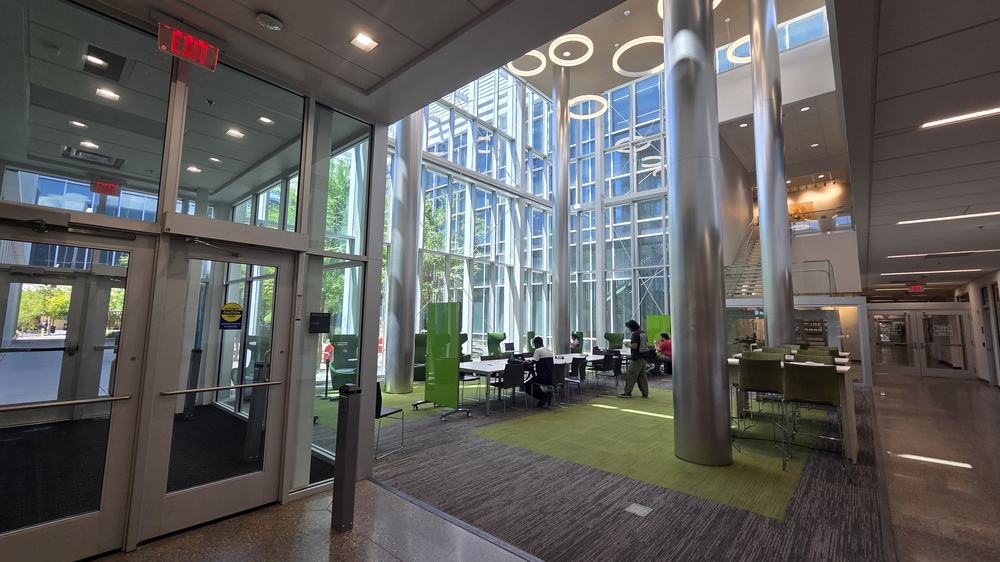
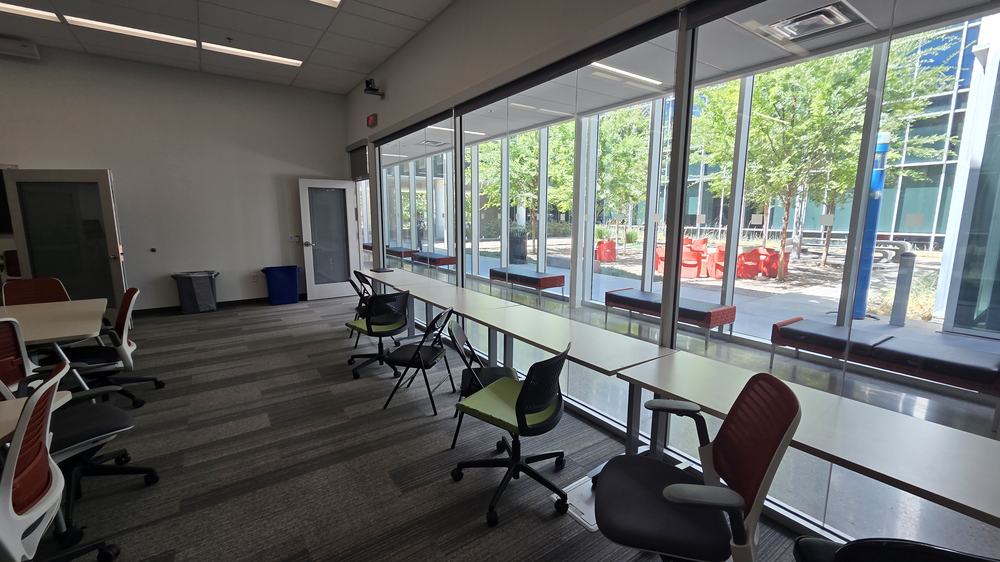
The workshop meets in the Physics, Astronomy and Interdisciplinary Sciences building on the University of New Mexico main campus. Los Alamos, Sandia, the Air Force Research Laboratory and UNM's Center for High Technology Materials are all within reach of the same room — which is why the field's center of gravity has moved here.
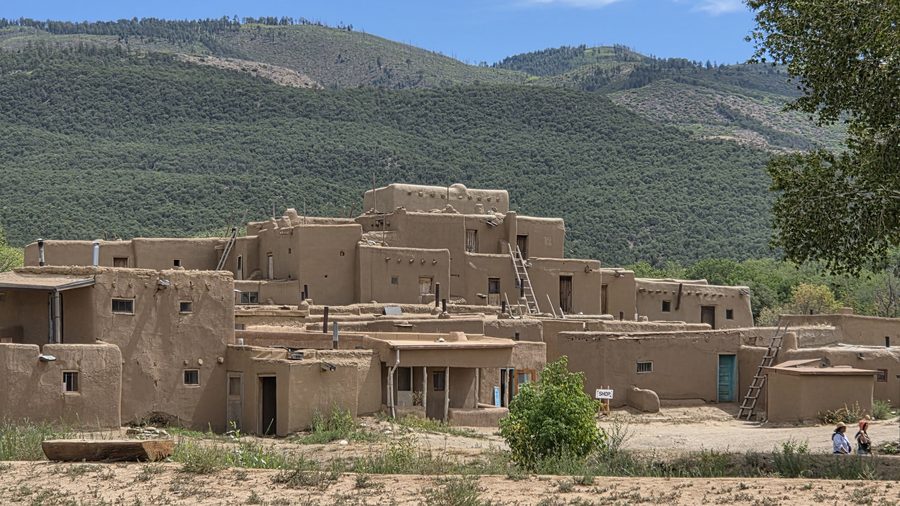
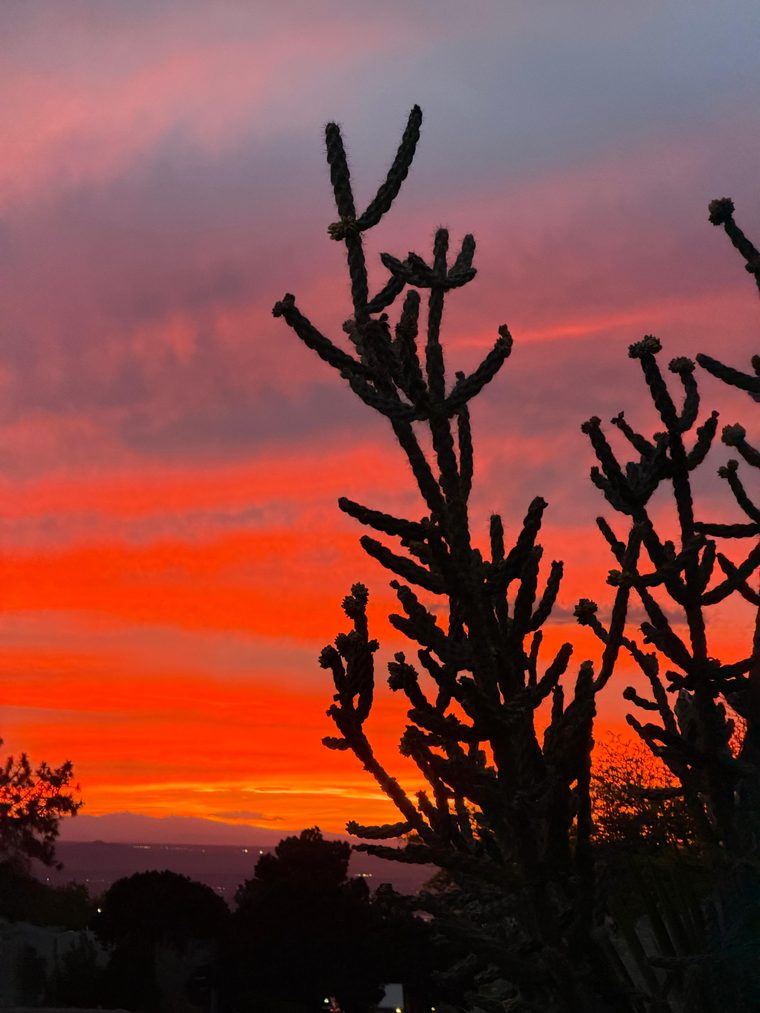
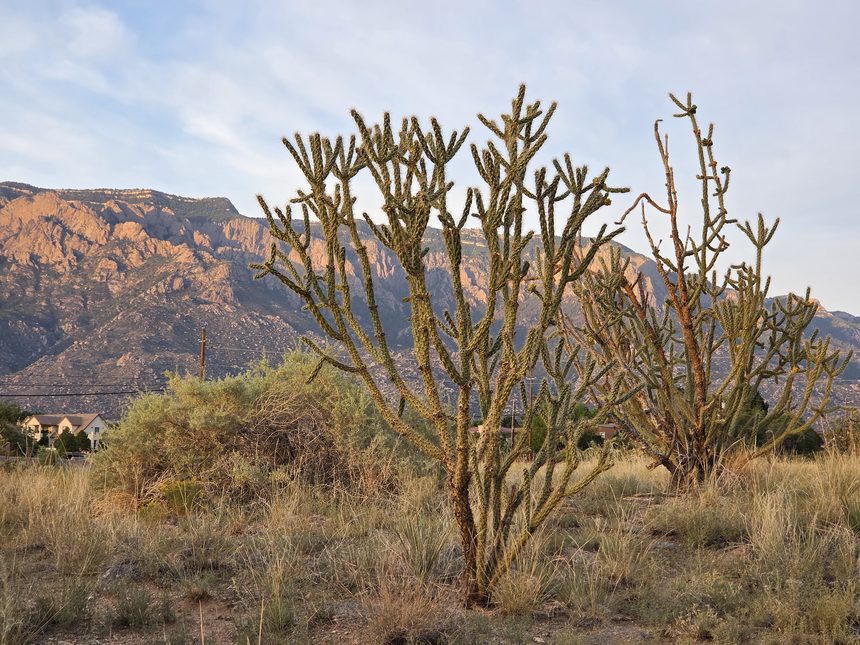
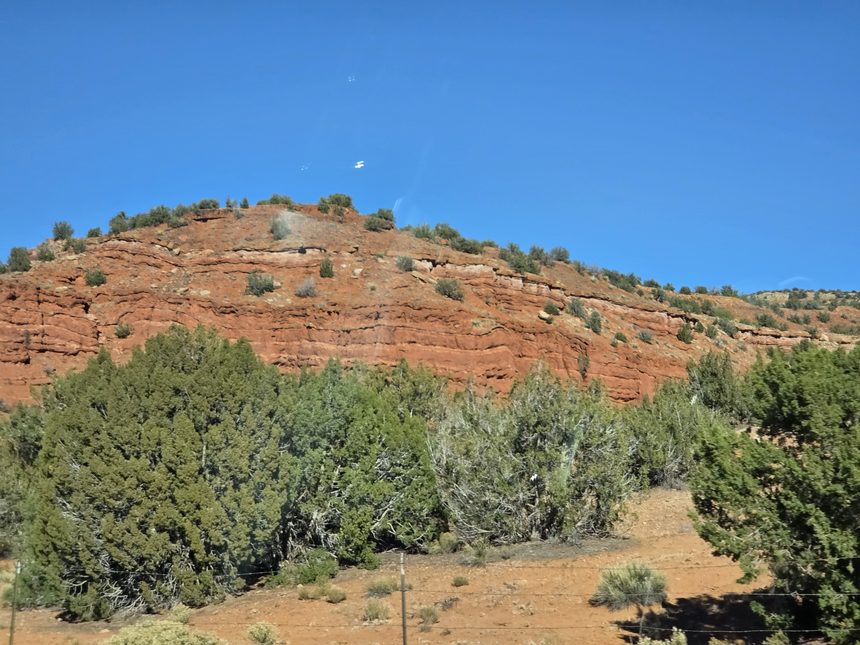
Painters moved to New Mexico for the light. At 5,300 feet the air is thin and dry, the blue overhead is harder than seems reasonable, and shadows keep their edges. It is a fitting place to spend two days arguing about photons.
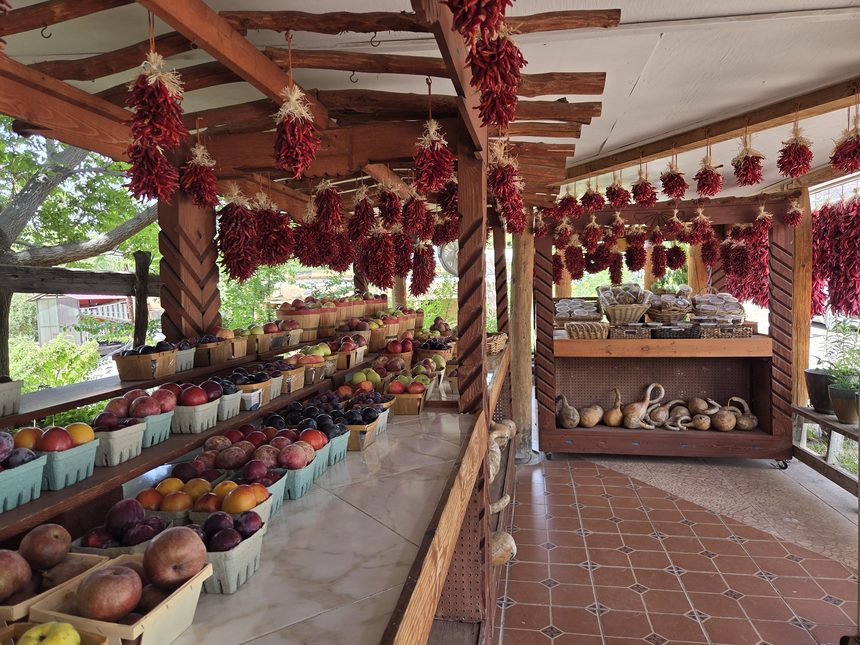
Late October is the best of it — seventies by day, forties after dark, aspen gold still holding on the Sandias, and balloons going up at dawn.
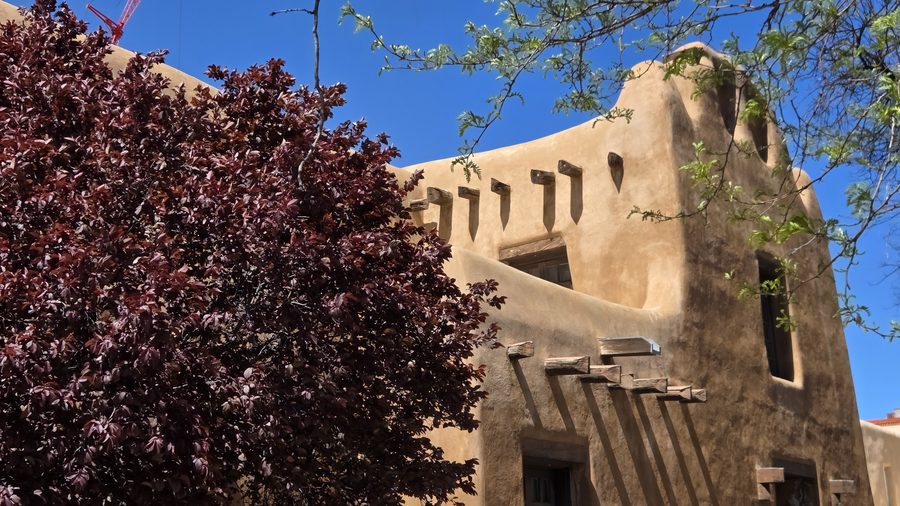
The building
If you can stay an extra day